Smart Call Routing: How Intelligent Call Distribution Improves Customer Experience
Discover how smart call routing works, its key benefits, common routing strategies and how businesses use intelligent call distribution to improve customer service.
Smart Call Routing: How Intelligent Call Distribution Improves Customer Experience
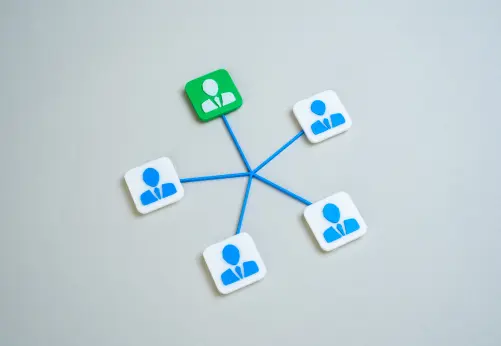
Smart call routing helps businesses connect callers with the right person, team or department as quickly as possible. Instead of sending every caller into the same queue, intelligent routing systems use predefined rules and real-time information to determine the most appropriate destination for each call.
1. What is smart call routing?
Smart call routing is an advanced call management technique used by modern business phone systems. Instead of placing every caller into a single queue, the system analyzes available information and routes each call according to configured business rules.
These rules may consider department selection, business hours, employee availability, caller location, language preferences or previous customer interactions.
2. Why smart call routing matters
Customers expect fast and efficient service. When callers are repeatedly transferred between departments or left waiting in long queues, satisfaction decreases. Smart call routing helps eliminate these issues by directing calls to the most qualified destination from the start.
3. How smart call routing works
When a call arrives, the phone system evaluates available routing rules. These rules may be based on caller input, caller ID information, department schedules, queue status or agent availability. The system then selects the most appropriate destination and connects the call.
4. Common call routing methods
Businesses use multiple routing strategies depending on their objectives, workforce structure and customer service requirements.
5. Skills-based routing
Skills-based routing directs callers to agents with specific expertise. For example, technical support calls may be routed to trained technicians while sales inquiries are sent to account representatives.
This approach improves first-call resolution rates and reduces unnecessary call transfers.
6. Time-based routing
Time-based routing automatically changes call destinations based on business hours, holidays or special schedules. During office hours, calls may route to live teams, while after-hours calls are directed to voicemail or on-call personnel.
7. Geographic routing
Companies operating across multiple regions often use geographic routing. Calls can be directed to the nearest office, local support team or region-specific department based on the caller location.
8. Smart call routing and auto attendants
Auto attendants and smart call routing often work together. The auto attendant gathers information from the caller, while smart routing determines the optimal destination based on configured business logic.
9. Benefits for customer support teams
Support organizations use smart routing to reduce response times, improve customer satisfaction and ensure that inquiries reach agents with the required expertise. This creates a more efficient support experience for both customers and employees.
10. Benefits for sales teams
Sales departments use intelligent routing to connect prospects with available representatives quickly. Faster response times can improve lead conversion rates and reduce the likelihood of missed opportunities.
11. Best practices for implementation
12. Future of intelligent call routing
Modern communication platforms increasingly incorporate artificial intelligence, predictive analytics and customer history data into routing decisions. These technologies help businesses provide faster, more personalized service while improving operational efficiency.
Conclusion
Smart call routing enables businesses to deliver better customer experiences while optimizing internal operations. By intelligently connecting callers to the right destination, companies can reduce wait times, increase productivity and improve overall communication performance.
Travel smart. Stay connected.
Get your eSIM in seconds and enjoy SIM-less internet wherever you are.